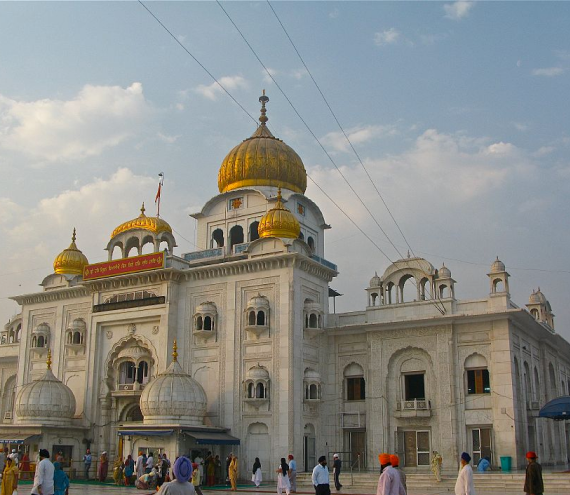
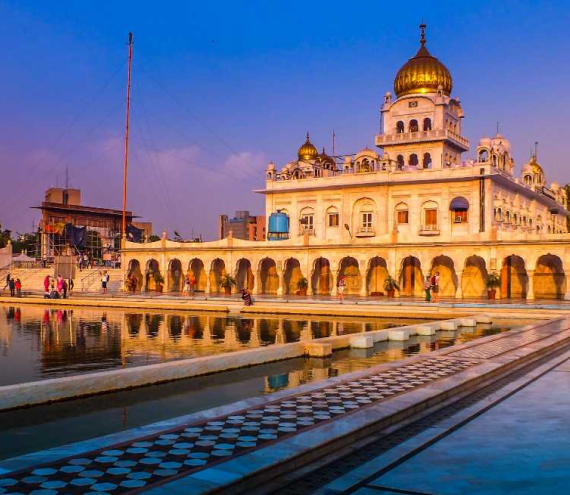
Sikhism, a faith founded on the teachings of Guru Nanak and his successors in fifteenth-century Punjab, has grown to become the fifth-largest organized religion globally. The essence of this religious philosophy, known as Gurmat or Sikh Dharma, stems from the Sanskrit roots, with “Sikh” originating from śiṣya meaning “disciple” or “learner,” and śikṣa meaning “instruction.”
ēk ōaṅkār: The Core Belief
The fundamental belief in Sikhism centers around Vāhigurū, symbolized by the sacred ēk ōaṅkār, representing the Universal God. Sikhism advocates salvation through disciplined, personal meditation on God’s name and message. Notably, Sikhism embraces a non-anthropomorphic concept of God, aligning with the Universe itself.
Guidance from Gurus
Followers of Sikhism adhere to the teachings of the ten Sikh Gurus, enlightened leaders, and the Gurū Granth Sāhib, the holy scripture. This scripture, compiled by Gobind Singh, the tenth guru, stands as the final authority for the Khalsa Panth. Sikh traditions are deeply intertwined with the history, society, and culture of Punjab, with over 23 million Sikhs worldwide.
Historical Evolution
Sikhism, the youngest of the world religions, traces its roots back to Guru Nanak, born in 1469. At a time when India grappled with divisions, Guru Nanak preached the message of “Ek Ong Kar”—that we are all one, created by the One Creator. Rejecting alignment with any specific religion, he advocated respect for all faiths, emphasizing the oneness of God.
Gurpurabs and Festivals
Gurupurabs, festivals honoring the lives of Sikh Gurus, are integral to Sikh celebrations. Baisakhi, marking the formation of the Khalsa by Guru Gobind Singh, and Holla Mohalla, a festival of martial exercises and mock battles, are significant events. Maghi commemorates the sacrifice of 40 Sikhs fighting for Guru Gobind Singh.
Sikh Philosophy & Beliefs
Sikhism emphasizes the oneness of God, equality before God, and living a good life within a community. Sikhs believe in the cycle of birth, life, and rebirth, with karma shaping the quality of each life. Liberation from this cycle is sought through a union with God, achieved by understanding and experiencing God’s grace.
Guru Granth Sahib
The Guru Granth Sahib, unique among world scriptures, holds the highest spiritual authority in Sikhism. It is revered as the living Guru, containing not only the works of Sikh founders but also writings from diverse faiths. Rejecting idol worship, Sikhs show deep respect for the Guru Granth Sahib’s teachings.
The Making of 'Khalsa'
Guru Gobind Singh, the Tenth Guru, created the Khalsa—a spiritual brotherhood devoted to purity and righteousness. The Five “Ks” symbolize the disciplined and spiritual identity of a Sikh, reflecting the commitment to Sikh principles. These include Kesh (uncut hair), Kirpan (ceremonial sword), Kara (steel bracelet), Kangha (small wooden comb), and Kachhera (cotton shorts).
In embracing Sikhism, one embarks on a transformative journey, guided by the wisdom of the Gurus and the principles that resonate with truth, equality, and devotion to a higher purpose.
Join our community
Join the Happiness Program. Experience a calm mind, reduced anxiety, increased energy levels and sustainable happiness everyday!